
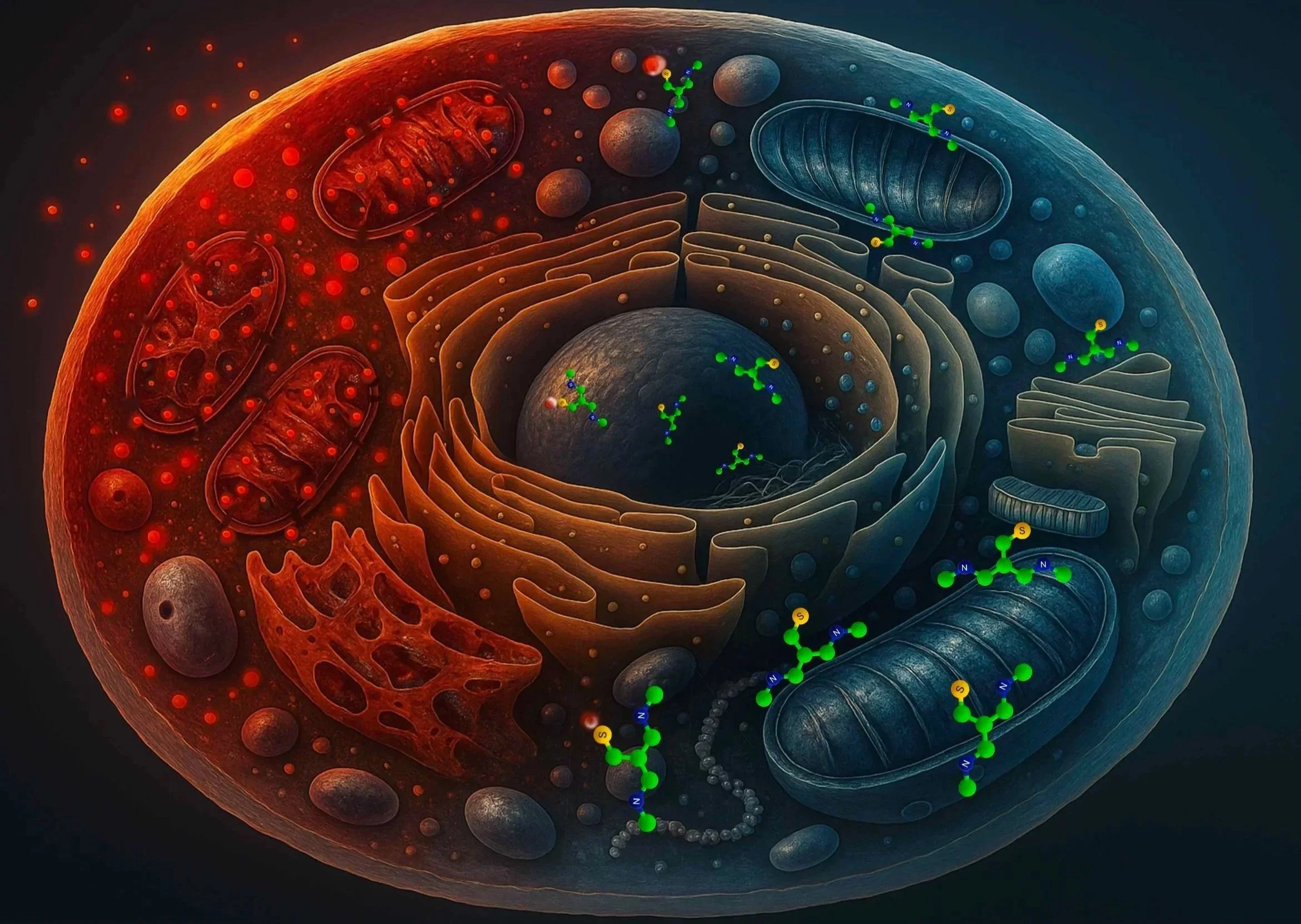
PrC-210
A New Paradigm in Disease Treatment
Obvia is advancing PrC-210,
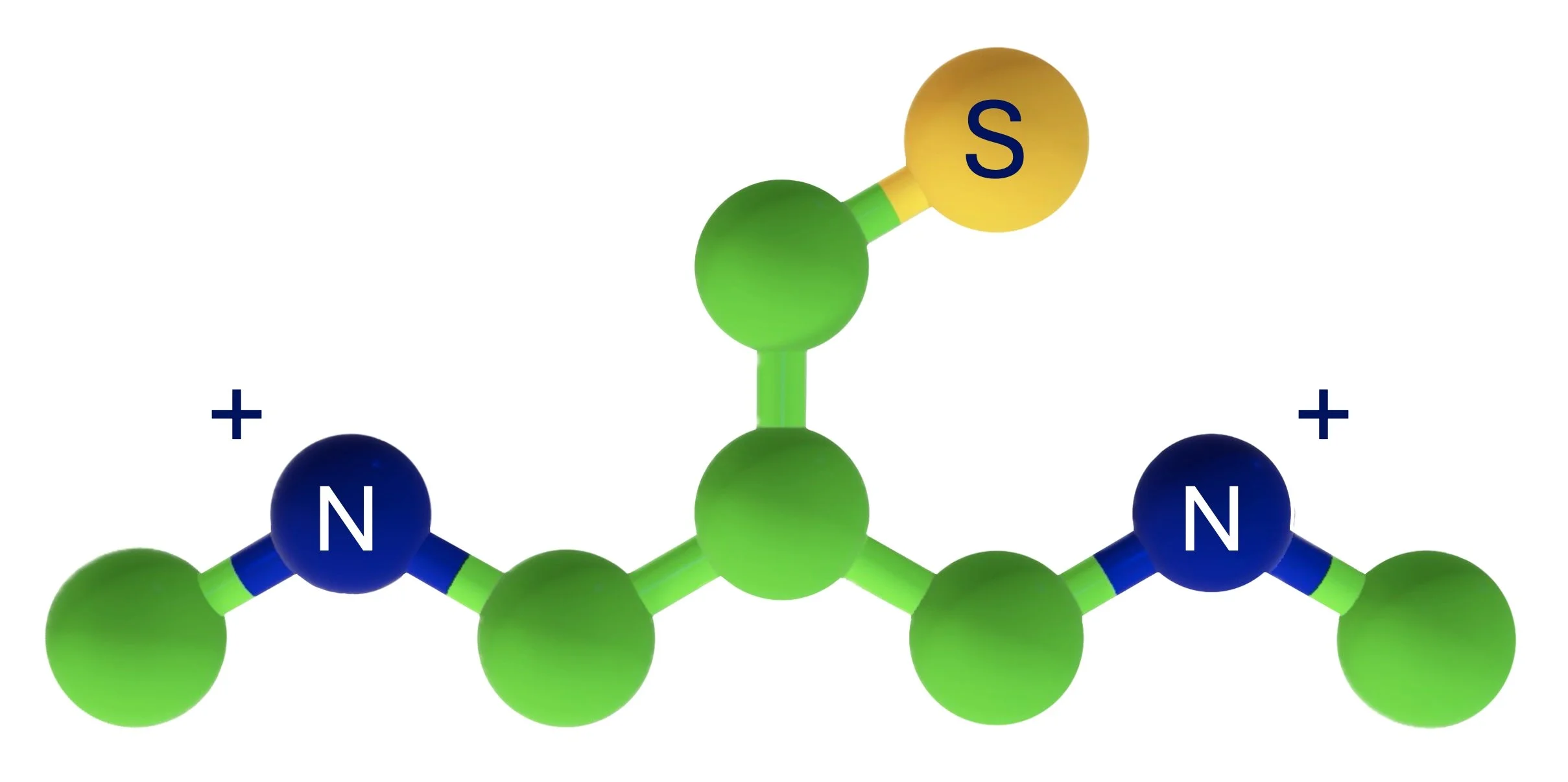
A Novel direct acting Free Radical Scavenger
that neutralizes Reactive Oxygen Species
and prevents Oxidative Damage.
By targeting ROS, the Root Cause of Major Diseases,
PrC-210 enables the Development of Transformative Therapeutics.
We engineered the Ultimate Free Radical Scavenger,
PrC-210,
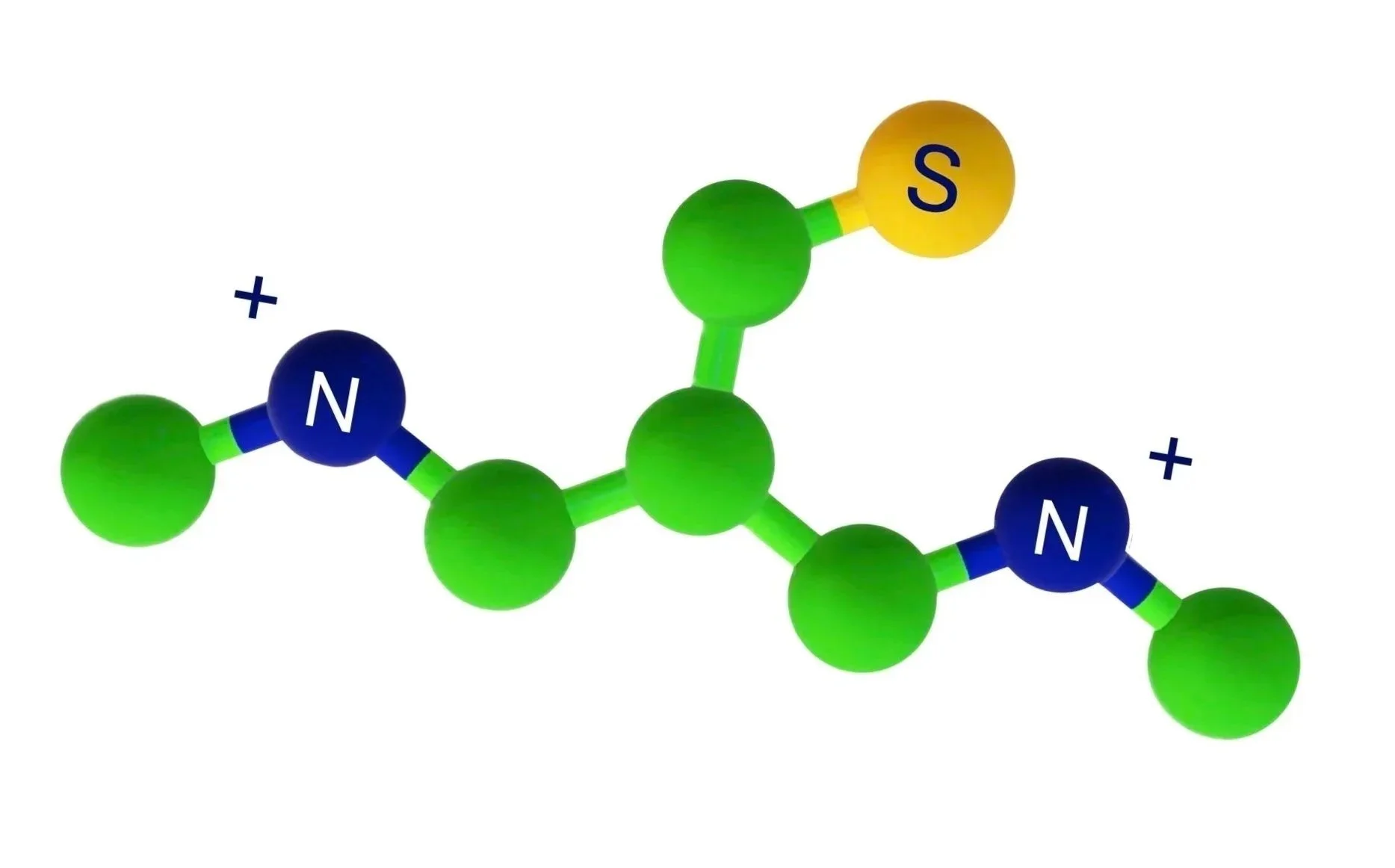
based on these Three Molecular Principles:
1
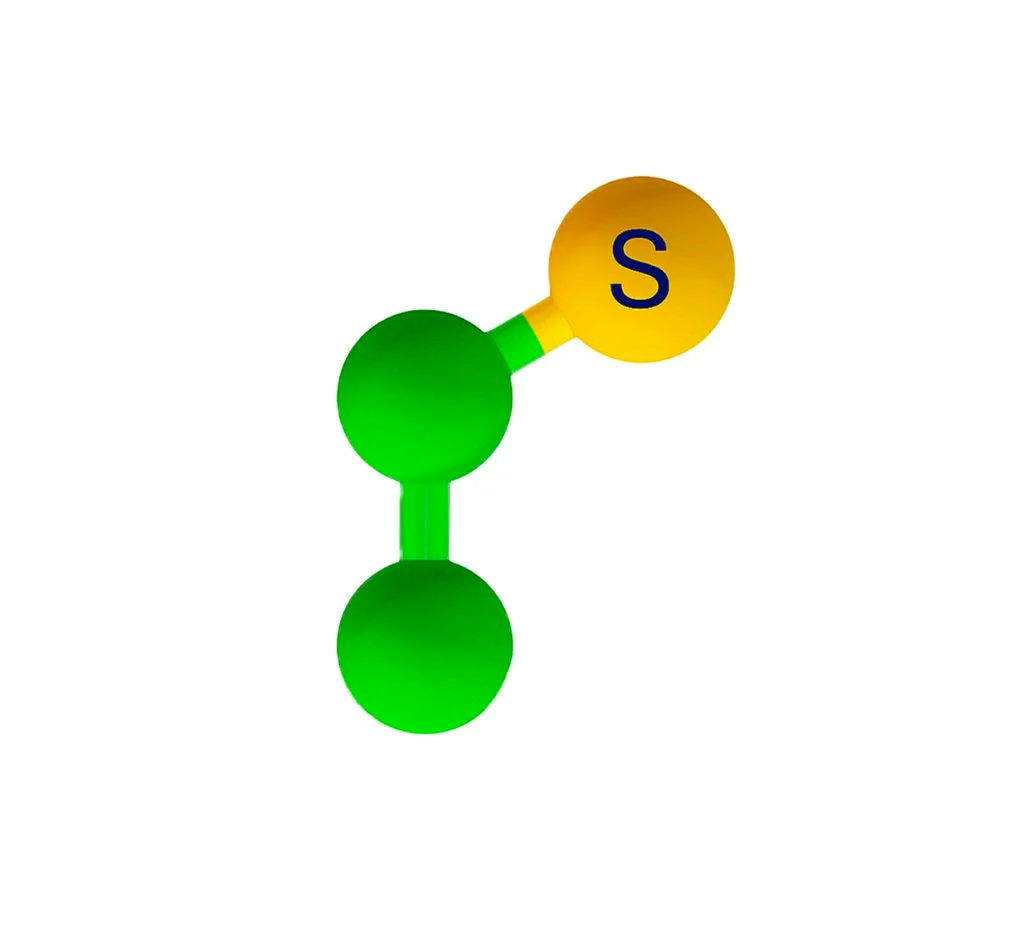
A Thiol site providing rapid, broad-spectrum radical scavenging.
2
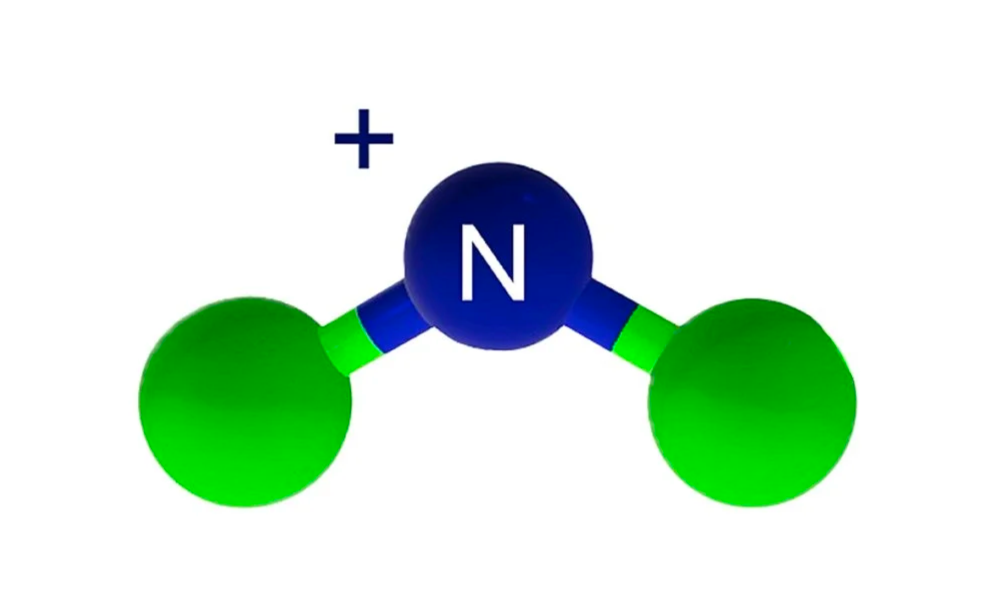
Two positive amines enabling targeted protection of negative biomolecules.
3
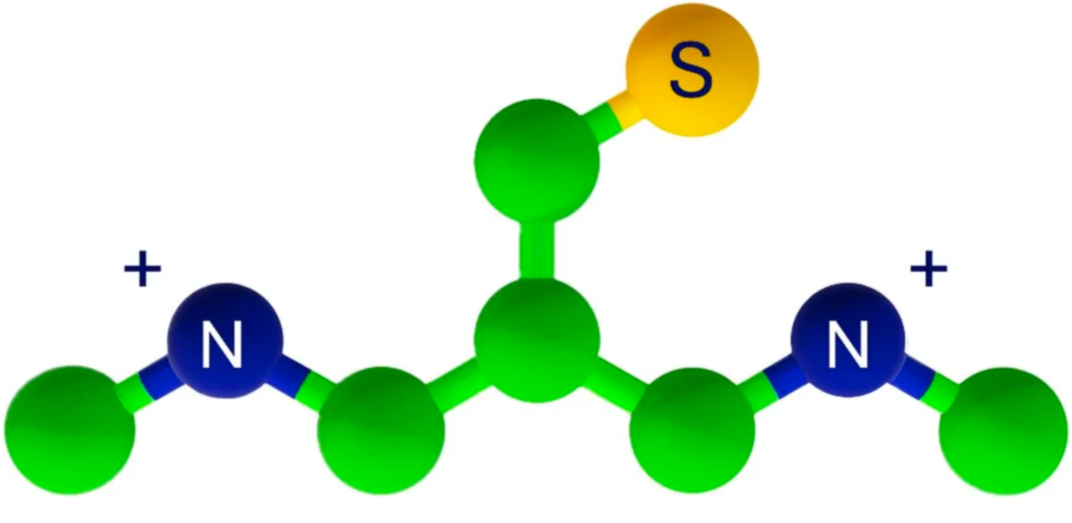
A low molecular weight ensuring rapid bioavailability
A low molecular weight ensuring rapid bioavailability
… yielding PrC-210, a Best-in-Class Free Radical Scavenger that prevents Oxidative Stress
and provides Complete Cellular Protection, validated by Scientific Evidence, Independent
Military Validation, Peer-reviewed Research, Grant Funding, and Patent Protection.
Hydrophobic Properties limit Protective Interactions with DNA, RNA, and Proteins, promoting Preferential Accumulation in Lipid Membranes.


Direct Comparison between PrC-210 and other Free Radical Scavengers:
Two Positively Charged Amines facilitate Protective Interactions with DNA, RNA, Lipids, and Proteins through-out the Cell.
Low Molecular Weight (148 Da) enables Immediate Absorption and Blood-Brain Barrier Penetration.
PrC-210’s Key Strengths :

Low Molecular Weight (148 Da) enables Immediate Absorption and Blood-Brain Barrier Penetration.

The Thiol Scavenging Site rapidly quenches Free Radicals with High Affinity and a Broad-Spectrum of Activity.

Two positively charged Amines facilitate the protective Interactions with DNA, RNA, Lipids, and Proteins through-out the Cell.
The Thiol Scavenging Site rapidly quenches Free Radicals with High Affinity and a Broad Spectrum of Activity.




Higher Molecular Weight limits and delays Absorption, and reduces Penetration across the Blood–Brain Barrier.
Current Drug Limitations:

Higher Molecular Weight limits and delays Absorption, and reduces Penetration across the Blood–Brain Barrier.

Hydroxyl Scavenging Sites quench Free Radicals more slowly, with Moderate Affinity and a Narrower Spectrum of Reactivity.

Hydrophobic Properties limit Protective Interactions with DNA, RNA, and Proteins, promoting preferential Accumulation in Lipid Membranes.
Hydroxyl Scavenging Sites quench Free Radicals more slowly, with Moderate Affinity and a Narrower Spectrum of Reactivity.